Is Forestry Mulching Worth It for Your Michigan Property?
Understand how forestry mulching suits your Michigan property. Consider trail access, brush control, and land use for effective mulching results.
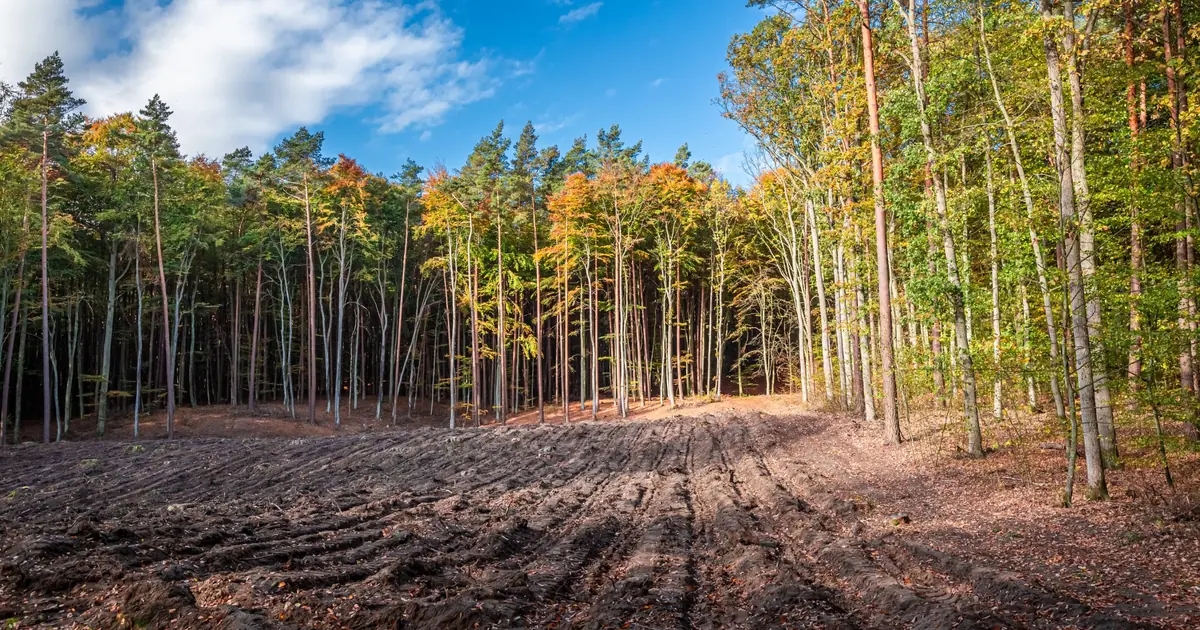
Forestry mulching is worth considering when you want to open a trail, cut back thick brush, or keep selected trees while leaving the chipped material on site. It is not a shortcut to bare, level, build-ready ground. The right choice depends on what you want to use the land for after the machine leaves.
For a Michigan landowner, the best first question is not “How many acres can you mulch?” It is “What should this place look like and do when the work is done?” A walkable path, a hunting access lane, and a building pad need different finishes. Those differences decide whether one mulching pass is enough or whether another kind of work should follow.
Start with the result, not the machine
Access can be a good reason to mulch
If brush blocks a route to a back field, pond, or stand, mulching may open that route without hauling every cut stem away. The machine cuts woody growth and leaves processed material on the ground. You still need to decide the path width, where it begins and ends, and what should remain beside it. A narrow walking path is not the same scope as a road for trucks.
Mark the route and flag gates, low spots, and trees to keep. If it crosses soft ground or a steep slope, ask whether the ground can support equipment. The USDA NRCS Web Soil Survey can show mapped soils, but it cannot replace a site check.
Pro Tip: Send a marked aerial map and photos of the entrance as well as the brush. A contractor needs to see how the machine gets to the work, not just the work area.
Keeping trees changes the layout
Many owners want light and access without stripping a wooded lot. Mark the trees and features that must stay, and ask what can be done safely near trunks, fences, and structures. “Keep the pines” is too vague if nobody marks which pines.
Thickets’ published Chase, Michigan forestry mulching example, described in its existing cost guide, is a useful contrast: the crew cleared underbrush for a future getaway-home setting while keeping selected pines. That is a selective clearing goal, not a promise that mulching alone will prepare a foundation. The distinction matters when you compare a quote against your own plan.
Did You Know? A property can look more open while still having roots and stumps below the surface. Ask what the proposed work will leave behind before you plan the next use.
When mulching may not be enough
A future building site has a different finish
Mulching can make a wooded area easier to see and reach. It does not, by itself, remove every root, create a level pad, set drainage, or prove that the soil can support construction. If you plan a home, shed, driveway, or utility trench, tell the contractor and your builder what comes next. They can then separate vegetation work from the excavation, grading, stump treatment, or other preparation the plan may require.
Thickets also lists land clearing services. That does not mean every job needs full clearing. The finish should drive the method. Put what is cut, what remains, and who handles the next step in writing. Identify wells, septic areas, buried lines, and boundaries before equipment moves in.
Wet ground and water deserve a pause
A quick pass across a low spot can leave ruts or push soil where it does not belong. Snow cover does not tell you whether the ground under it is firm. The Michigan DNR forestry soil and water practices guide explains why forestry work needs plans that protect soil and water. Ask how the crew will handle wet access, steep ground, drainage paths, and areas you do not want disturbed.
If winter timing is part of your plan, read Thickets’ Michigan winter mulching guide. It focuses on ground conditions and scheduling. The decision here is broader: whether the method gives you the finish your property needs at all.
Pro Tip: Walk the proposed machine path after rain, if safe. Note the soft spots and crossings that may be hidden when the brush is thick.
What stays on the land afterward?
Mulch is not hauled debris
Forestry mulching breaks much of the cut vegetation into material left on site. That can be useful when you want a cleared corridor without piles to haul away. But the exact appearance and depth of the layer vary with the growth and the planned finish. Do not assume the result will be smooth lawn, exposed soil, or a finished trail surface.
Ask where the chips will lie, whether thicker material needs a different treatment, and what a second pass would change. If you want to seed, plant, fence, or build afterward, tell the crew now. Mulch left in place can affect the next contractor's work; it should be part of the handoff, not a surprise.
Did You Know? “Clear the brush” and “make the ground ready to plant” are different instructions. Put the next use on your map so the estimate reflects the finish you actually need.
Regrowth needs its own plan
Cutting above-ground growth does not remove every root. Some plants can resprout, and a lasting path may need follow-up care. If invasive growth is your main concern, discuss both removal and follow-up.
Thickets has a separate brush and invasive species control service. Ask whether your goal calls for selective mulching, another method, or more than one treatment. Not every overgrown lot needs the same pass.
How to tell if the quote fits your goal
A good quote should describe the result, not just the equipment or acreage. Two owners can have similar-sized parcels and need very different work. One may want a narrow route with the canopy left intact. Another may need open space for a builder and a plan for material that cannot stay. Neither price means much without the scope behind it.
Before you compare proposals, ask each contractor to state:
1. Which areas and access routes are included, and which are excluded.
2. Which trees, fences, water features, and structures must be protected.
3. What happens to cut vegetation, chips, stumps, and larger material.
4. What the ground should look like at the end and what work comes next.
5. What ground conditions or site findings could change the plan.
Use the same marked map for each conversation. The existing Thickets cost guide goes deeper into quote factors; this decision guide is about the fit between the method and your intended use, not a price-per-acre estimate.
Pro Tip: Describe one area you do not want touched. An exclusion can be as important as the part you want cleared.
Frequently asked questions
Is forestry mulching worth it for a small property?
It can be, if there is enough safe access for the equipment and the desired finish suits mulching. A small lot with tight gates, utilities, buildings, or delicate areas may need a different plan. Ask for a site-specific review rather than judging by acreage alone.
Does forestry mulching remove roots and stumps?
No, do not assume a mulching pass removes roots or every stump below grade. The planned treatment depends on the vegetation and the finish you need. Tell the crew if the area will be built on, planted, or graded afterward.
Can I build right after forestry mulching?
Not necessarily. Mulching can open the area, but building may require separate stump removal, grading, drainage work, and site preparation under your builder's plans. Agree on the next steps before treating the cleared area as construction-ready.
Does the mulch have to be hauled away?
Usually the processed material remains on site, but the written scope should say where it will be left and whether any larger debris is handled separately. If you need exposed soil or a different finish, tell the contractor before accepting the quote.
Choose the finish before you choose the method
Forestry mulching can be a strong fit for access and selective brush reduction, especially when you want to keep chosen trees and can leave processed material on the ground. It is a poor substitute for a plan that calls for bare, graded, construction-ready soil. Make the decision from the end use, site conditions, and written scope rather than from a blanket claim about speed or cost.
Walk your property, mark what stays, and describe what happens after the brush is gone. Then review Thickets’ forestry mulching service and contact the team for a property-specific discussion of the access route, work boundaries, and finish you want.