Winter Forestry Mulching in Michigan: When It Works Best
Learn when winter conditions in Michigan are ideal for effective forestry mulching, helping landowners with safe, efficient site preparation.
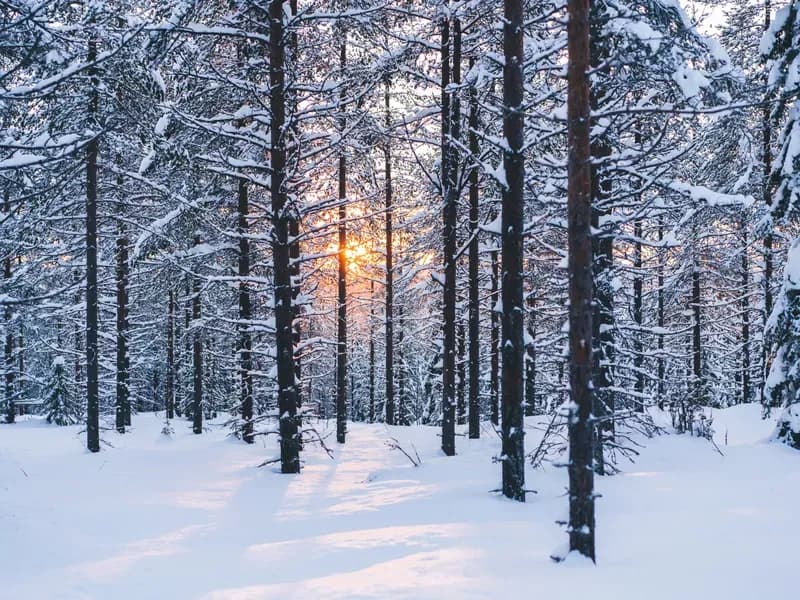
Forestry mulching can work well in a Michigan winter when the ground is firm, access is safe, and the work matches the property goal. Frozen soil may support equipment better than soft spring ground. Still, snow alone is not proof that a site is ready. Each property needs a field check.
A winter plan starts below the surface. Soil, slope, drainage, snow depth, and freeze-thaw swings all affect the work. The right question is not, “Can forestry mulching happen in winter?” It is, “Are the conditions right on this property today?”
Why Winter Can Be a Strong Time for Forestry Mulching
Winter may open a useful work window for landowners who want trails, habitat openings, building access, or overgrown areas cleared before spring.
Firm ground may reduce surface damage
Frozen or firm soil can help equipment travel with less rutting than it would on soft, wet ground. The University of Minnesota Extension’s winter forestry guidance explains that frozen conditions are used in forestry work to help limit soil compaction and rutting. The same ground-condition test matters for forestry mulching.
This does not mean every frozen-looking site is ready. A sunny entrance, shaded low spot, and wooded slope may all react differently during the same week. The operator must check the full travel path and work area.
Did You Know? Deep snow can act like insulation. The air may be cold while the soil under the snow stays softer than expected.
Leaf-off woods can make the plan easier to see
With leaves down, property lines, large trees, old lanes, fences, rocks, and drainage paths may be easier to spot. That can help the owner and crew mark trees to keep and areas to avoid.
Better visibility is useful, but it does not replace a site plan. Flag the work boundary, protected trees, known utilities, septic parts, wells, and wet areas before equipment arrives.
Pro Tip: Walk the property before heavy snow arrives. Take photos and mark key points on a map, then review them with the contractor during the site visit.
The Winter Ground Test: Frozen, Snow-Covered, or Soft?
Michigan weather can change fast. A cold week can firm a site. A thaw, rain event, or thick snow layer can change it again.
Frozen ground is the goal, not a calendar date
The USDA Forest Service’s winter logging research notes that northern logging work often relies on frozen ground to support machinery and limit erosion and rutting. It also reports that warmer, less steady winters can reduce the number of workable winter days.
That is why a contractor should judge actual conditions instead of promising that January or February will always work. Soil type, shade, slope, groundwater, and recent weather all matter.
Snow cover can hide weak areas
Snow can cover ruts, holes, stumps, loose material, and soft soil. It may also hide the edge of a ditch or wetland. A machine route should be checked before work starts, especially on a property with low ground or a long access lane.
The USDA Natural Resources Conservation Service Web Soil Survey can show mapped soil and drainage traits. It is a planning tool, not a replacement for an on-site check.
Did You Know? Two parts of one parcel can need different schedules. A sandy upland may stay firm while a shaded low area softens during a thaw.
What Forestry Mulching Can Accomplish in Winter
Forestry mulching uses a machine-mounted head to grind brush, saplings, and other woody growth into material left on the ground. It can be a good fit when the goal is to open space without creating burn piles or hauling every piece away.
Trails and access corridors
Winter can be a practical time to open hunting lanes, walking paths, access roads, and recreation trails. Thickets used forestry mulching while cutting new ski-trail runs at Forbush Corner. The crew followed flagged lines, cleared understory and smaller growth, and kept the tree canopy above.
That project shows why the end use must guide the work. A narrow trail through standing trees needs a different plan than a wide lane for future construction traffic.
Habitat and property improvement
Forestry mulching can open dense brush so a landowner can plan food plots, native grasses, travel lanes, or other habitat work. For a homesite or getaway property, the goal may be different. A forestry mulching project in Chase opened underbrush while keeping selected pines for the setting the family wanted.
Pro Tip: Describe the finished use before talking about machines. “A walkable hunting lane,” “space for a future house,” and “brush removal under mature pines” lead to three different scopes.
When Winter Forestry Mulching Should Wait
Winter is not a free pass for heavy equipment. A good contractor may pause, change the route, or move the start date when conditions do not support the work.
A thaw can raise rutting risk
A hard morning freeze may turn into a soft afternoon surface. Repeated freeze-thaw cycles can weaken access points and low ground. Work may need to stop before the whole site becomes soft.
Michigan forestry best practices advise operating on snow or when soils are frozen or dry, while avoiding excessively wet conditions. The lesson for a landowner is simple: a short weather delay may prevent deeper repair work later.
Some goals need more than mulching
Mulching can clear woody growth and leave processed material in place. It does not remove every stump, build a house pad, set final grade, or solve each drainage issue. Those tasks may call for excavation, stump removal, hauling, or a separate site-work phase.
Ask what the quote includes and what the surface will look like when the machine leaves. Photos of past work can help everyone agree on the finish.
How to Prepare a Michigan Property for Winter Work
Good preparation helps the contractor judge the site, price the right scope, and act when a solid weather window arrives.
Mark what stays and what goes
Walk the site and mark property lines, trees to keep, work limits, entrance points, and no-go areas. Share any survey, site plan, soil information, or known drainage issue. Private utilities and septic parts may need separate locating beyond the public utility-marking process.
Make a short list of priorities. Put safety and access first, then the main clearing goal, then optional areas. If weather shortens the work window, this gives the crew a clear order.
Ask for a condition-based plan
Ask how the crew will judge soil firmness, access, slope, and thaw risk. Talk through where mulch will stay, whether large wood will be stacked, and whether another contractor must follow the mulching work.
For a site-specific plan, review Thickets’ forestry mulching service and gather photos of the entrance, densest growth, slopes, and low areas. That information can help start the conversation, but the final plan should match the property.
Frequently Asked Questions
Can forestry mulching be done in winter in Michigan?
Yes, forestry mulching can be done in winter when the soil is firm and equipment can reach the work area safely. Frozen ground may limit rutting, but snow cover or a brief cold spell does not prove the whole site is ready.
Is frozen ground better for forestry mulching?
Frozen ground may support equipment better than wet, soft soil and may reduce rutting on some sites. The operator still needs to check frost, snow, drainage, slopes, and the travel route before starting.
Does snow stop a forestry mulcher?
Not always. Snow depth, hidden hazards, soil firmness, visibility, and machine access all affect the decision. Heavy snow can also insulate the soil, so the ground beneath it may not be as firm as it looks.
What should I do before a winter forestry mulching estimate?
Mark the work area, trees to keep, property lines, utilities, septic parts, wet spots, and access points. Share photos and the planned use of the cleared land so the contractor can build the scope around the result you want.
Plan the Work Around the Ground
Winter forestry mulching can be a smart choice when firm soil, safe access, and a clear property goal line up. Frozen conditions may help protect the surface, while leaf-off woods can make boundaries and selected trees easier to see. The deciding factor is the site itself, not the month printed on the calendar.
If you want to clear brush, open trails, improve habitat, or prepare part of a Michigan property for its next use, contact Thickets Habitat & Land Works. Schedule a property review so the team can check access, ground conditions, and the right scope for your winter project.