How Much Does Forestry Mulching Cost? Key Factors Explained
Understand the factors affecting forestry mulching cost, including brush density, terrain, access, and land use plans.
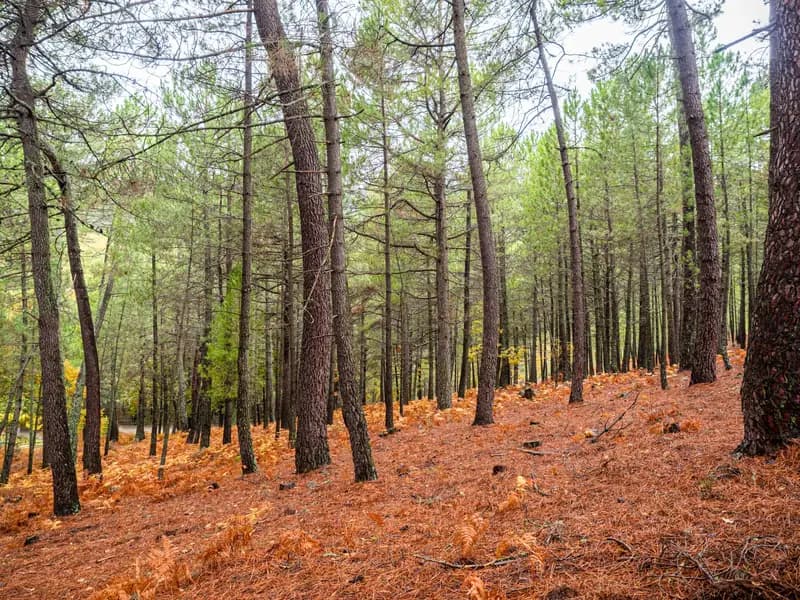
Forestry mulching does not have one fixed price per acre. A small, open lot with light brush can require a very different scope than a steep wooded parcel with mature trees, wet areas, narrow access, or a trail system to protect. In Michigan, the most useful estimate comes from the site itself: what is growing there, how the machine will reach it, and what you want the land to become.
A contractor will usually look at brush density, tree size, terrain, soil conditions, access, total acreage, and the finished use of the property. Those details affect production time, travel, machine wear, and the amount of hand work or follow-up the project may need. The best way to compare quotes is to compare the scope behind each price, not just the number beside “per acre.
What affects forestry mulching cost per acre?
Brush density and tree size
Dense saplings, thorny brush, vines, and tangled understory take more machine time than scattered grass and light growth. Larger trees can also change the plan. Some may be mulched in place, while others should be retained, cut separately, or handled with a different method.
The goal is not always to remove every tree. A property owner may want to open a trail, create a homesite, improve a hunting area, or clear a future building area while keeping a mature canopy. Marked trees and a clear map of the work area help the contractor build a more accurate scope.
Pro Tip: Before requesting a price, mark trees to keep and describe the finished use of each cleared area. “Open a walking trail” and “prepare a building site” can require very different work.Terrain, slopes, and soil conditions
A flat, dry, open entrance is easier to reach than a steep hillside, low area, or parcel crossed by soft ground. Michigan’s forestry best-practice guidance tells operators to protect soil and water quality and to plan equipment movement around conditions that can cause rutting, erosion, or sediment movement.
Wetness and drainage matter even when the surface looks firm. The USDA Natural Resources Conservation Service’s provides soil information that can help landowners ask better questions about access and land use. It is not a substitute for a site visit, but it can reveal soil and drainage factors worth discussing before equipment arrives.
Access and mobilization
A forestry mulcher has to reach the work area. Long driveways, tight gates, bridges, steep entrances, overhead lines, and limited staging space can affect the plan. Time spent moving equipment around a difficult entrance can add cost before the first acre is cleared.
Share photos of the driveway, gate, bridge, slopes, and the route from the road to the work area. If the property has more than one entrance, show each option. Early access information helps the contractor decide whether the machine can reach the site as planned and whether a different route or setup is needed.
Did You Know? Acreage is only one part of a quote. Two properties with the same acreage can have different prices when one has direct machine access and the other requires a longer route through tight or soft ground.The finished use of the land
Forestry mulching can support several different property goals, including trails, habitat work, recreation areas, homesite preparation, and brush reduction. The finished use affects how the crew lays out the work and what should remain in place.
Thickets’ Forestry Mulching Project in Chase, Michigan shows a homesite-related example. The crew cleared underbrush while keeping selected pines that the family wanted around a future getaway home. That is a different scope from opening a wide corridor for construction traffic or cutting a recreation trail through dense woods.
At Forbush Corner Resort, the work involved cutting new ski-trail runs through mixed forest. The team followed flagged lines, cleared the understory, and kept the tree canopy above. The property’s use shaped the clearing plan.
What happens to the mulch
Forestry mulching processes trees and brush into a mulch layer on the site. The quote should make clear where that material will remain and what finish the landowner expects. A rough first pass, a cleaner trail corridor, and a future building area may each call for a different number of passes or follow-up work.
Ask whether the scope includes selective tree retention, stump treatment, cleanup around structures, or work beyond the initial mulching pass. If another contractor will follow, such as a builder, fence installer, or trail crew, share that plan before the quote is written.
Why a per-acre price can be misleading
A per-acre number is useful only when the work behind it is comparable. One quote may assume light brush, easy access, and mulch left in place. Another may include dense growth, selected tree removal, difficult terrain, or a more finished surface. Those are not equal scopes.
When comparing bids, ask each contractor to identify:
The acreage and boundaries included
The brush and tree conditions assumed
Trees or features that will remain
Access and staging expectations
Whether difficult or wet areas are excluded
How the mulch will be left or spread
Whether follow-up work is included
The expected schedule and weather limitations
This list helps you compare the same work instead of comparing isolated price-per-acre figures
How to prepare for a forestry mulching estimate
Walk the property first
Identify property lines, utilities, septic components, wells, fences, drainage areas, streams, structures, and trees to keep. Mark the areas that should be cleared and the areas that should not be entered.
Take useful photos
Photograph the road entrance, gates, slopes, low spots, thickest brush, and the full route to the work area. Wide photos provide context. Close photos show the size and density of the growth.
Explain the next step
Tell the contractor what you plan to do after mulching. A trail, pasture, food plot, homesite, and view corridor can call for different decisions about width, finish, retained trees, and access.
Ask for a site-specific scope
A good estimate should explain what will be cleared, what will remain, what conditions could change the work, and what the land should look like when the crew leaves. If the scope is unclear, the price is hard to compare.
Did You Know? The Michigan Department of Natural Resources forestry best-practices guide focuses on protecting soil and water during forestry work. A responsible clearing plan accounts for more than the acreage total.
Frequently Asked Questions
How much does forestry mulching cost per acre?
There is no reliable flat price for every property. Cost depends on growth density, tree size, terrain, soil, access, acreage, retained features, and the finished use of the land. A site-specific estimate is more useful than a generic online range.
Is forestry mulching cheaper than land clearing?
It can be, depending on the scope and what happens to the material. Mulching processes much of the vegetation on site, while traditional clearing may add hauling, stacking, burning, or disposal work. Compare the full scope and finished result, not only the equipment line item.
Does acreage lower the cost per acre?
A larger, accessible project may allow equipment and setup time to be spread across more work. That does not guarantee a lower per-acre price because density, terrain, wet areas, and travel distance still affect production.
What should I send with a quote request?
Send the property address or general location, approximate acreage, photos of access and growth, a map or marked-up aerial image, and the result you want. Also identify utilities, septic areas, water features, property lines, and trees you want to keep.
Can forestry mulching be done on wet ground?
Work may need to wait when soil is soft or vulnerable to rutting and erosion. Weather, drainage, soil type, slope, and machine access all affect the decision. The contractor should review actual site conditions before scheduling the work.
Get a forestry mulching estimate for your Michigan property
The right forestry mulching scope starts with the property goal, not a generic price-per-acre promise. Share the access route, growth conditions, areas to keep, and the next use of the land so the estimate can match the work you need. Review Thickets’ forestry mulching service and contact Thickets Habitat & Land Works to request a site-specific conversation.