Can You Plant a Tree Where a Stump Was Ground? Here's How
Can you plant a tree near a stump? Yes, with care! Offset it, replace soil, and wait a season to ensure success.
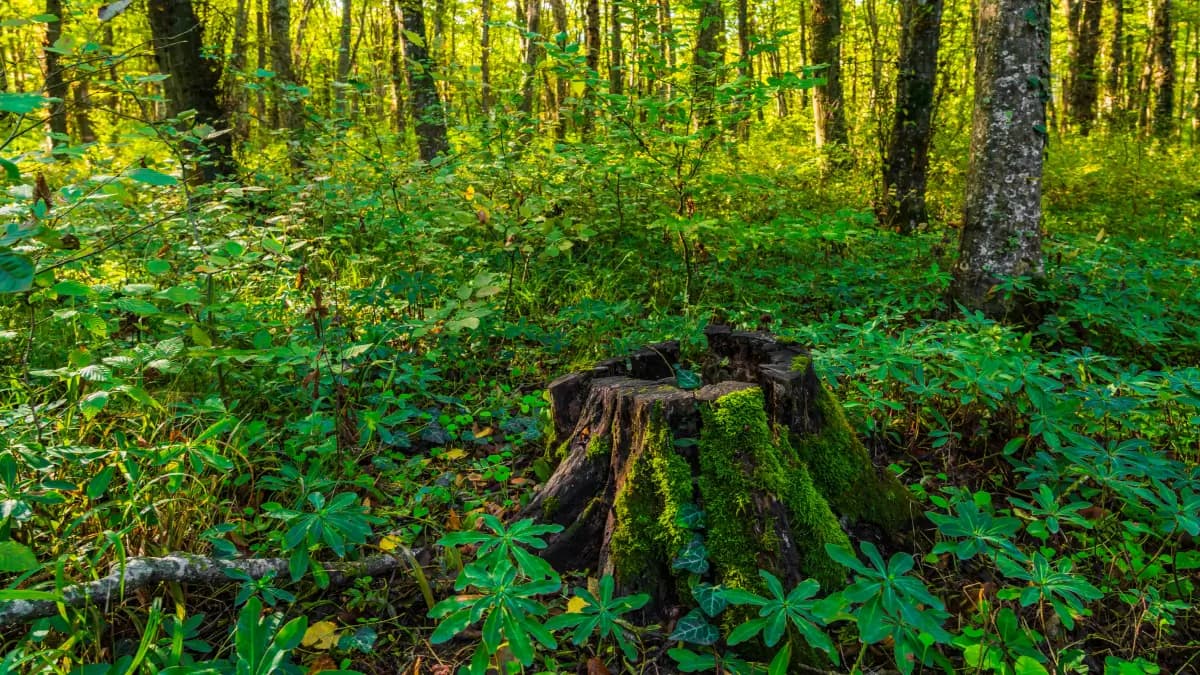
Yes, you can plant a tree where a stump was ground, but not directly on top of it. Give the spot a few feet of offset, replace the wood-and-soil mix with clean topsoil, and let the area settle before you plant. Skip those steps and your new tree fights old roots, nitrogen loss, and a sinking hole for years.
Below grade stump grinding clears the surface fast, but it doesn't clear the ground underneath. Here's what's actually happening below your feet, and how to plant a tree nearby that survives its first few Michigan winters.
What's Still Down There After a Grind
A stump grind chews up the visible wood and a few inches of root flare, but the root system itself stays in the ground. On a typical below grade stump grinding job, crews grind 4 to 6 inches under the surface. That's enough to mow over or seed grass on top, but the lateral roots below that line can run 10 feet or more from where the trunk used to stand.
Those roots don't disappear. They break down slowly, especially in the clay-heavy soil common across Michigan's Lower Peninsula, which holds moisture and slows decomposition. A big oak or maple stump can leave root wood in the ground for several years after the grind.
Why the Old Root Zone Isn't Empty Ground
Plant a tree straight into that zone and the roots have to grow around solid wood instead of spreading out. The wood chips mixed into the soil from grinding also change how water moves through the area, which can leave a new root ball sitting too wet or too dry depending on the season.
The Two Problems That Trip Up New Trees
Two things cause most of the trouble when someone plants too soon or too close to a ground stump.
Nitrogen tie-up. Microbes need nitrogen to break down wood, and they pull it straight from the surrounding soil. That leaves less nitrogen for your new tree's roots, which shows up as pale or yellowing leaves in the first growing season.
Settling. As the buried roots and chips decay, the ground above them sinks. A tree planted right over that zone can end up sitting in a low spot, with its root flare buried too deep or its roots exposed after a hard rain.
Did You Know? Wood has a high carbon-to-nitrogen ratio, so decomposing stump material can tie up nitrogen for a full growing season or longer. A slow-release fertilizer around the new tree helps offset the loss while the wood finishes breaking down.
Where to Plant, and How Far Off to Go
The safest move is to shift the new tree a few feet away from where the old trunk stood, not directly over the grind site. On most residential lots, that's a small ask. On acreage or a food plot border, it barely changes your layout at all.
If you don't have room to move the tree, dig out the wood-and-soil mix in the planting hole and replace it with clean topsoil instead of planting into what's left behind. That gets the new roots into real soil right away instead of fighting old debris.
The Offset Our Crews Recommend on Michigan Properties
On Michigan jobs, our crews tell property owners to plant new trees at least 3 to 5 feet off-center from the old stump, more for larger species like oak or maple that carried a wider root system. We also flag which stumps are still holding water after a rain during the final walkthrough, since that's usually a sign the root mass underneath hasn't broken down yet and the spot needs another season before anything goes in the ground.
Pro Tip: Walk the grind site after a rain before you plant. If water pools and sits instead of draining, the buried root mass is still dense enough to block drainage. Give it more time or improve drainage before you put a tree in that spot.
Give the Site Time Before You Commit
Grass can usually go down within a season, once the surface settles. A tree is a bigger investment, so it's worth waiting longer. Most sites need a full growing season, sometimes two, before the ground stops settling enough for a tree to root in without shifting.
You'll know it's ready when the surface holds its shape after rain instead of sinking, and when digging a test hole nearby doesn't turn up large chunks of undecomposed wood.
Did You Know? Below-grade grinds set 4 to 6 inches down decompose faster than shallow grinds, because more of the wood stays in contact with moist soil and soil microbes. A deeper grind now often means a shorter wait before planting later.
Prepping the Spot So the Tree Actually Takes
A little soil work up front saves years of a struggling tree later.
Start by mounding the planting area slightly higher than grade. As the buried wood keeps breaking down, the ground will settle further, and a slight mound keeps the root flare from ending up buried too deep. Mix compost or fresh topsoil into the planting hole rather than backfilling with whatever soil came out of it, since that soil is likely still carrying wood fragments.
Pick species suited to the site, too. Michigan's clay-heavy ground already holds water longer than sandy soil, and a decomposing stump nearby adds even more moisture retention. Trees that need sharp drainage, like flowering dogwood, struggle more in that setup than moisture-tolerant species like red maple or swamp white oak.
Pro Tip: If the grind site sits low after settling and you're prepping several acres at once, a power rake service levels the ground and breaks up surface debris before seeding or planting, which saves a second trip back to the site later.
When Grinding Isn't Enough
If you're planning to plant a tree in the exact footprint where a large stump stood, below-grade grinding may not clear enough material. In that case, full stump and root removal with an excavator is worth the extra cost, since it takes the wood mass out of the ground entirely instead of leaving it to decompose in place. Our below grade stump grinding checklist for Michigan properties walks through how we decide which method fits a given site, and it's worth a look before you commit to either approach on a project with multiple stumps.
For larger properties working through a multi-year replanting or habitat plan, a land management consultation can map out grinding, soil prep, and planting in the right order so you're not undoing work from one phase in the next.
Research from Purdue Extension backs up what we see in the field: decomposing wood chips reduce nitrogen availability to nearby plants, and grass or trees planted over fresh grind sites need a slow-release fertilizer to compensate. Extension horticulturists also point to soil settling as buried roots decay as one of the bigger risks to a newly planted tree's root system.
The Bottom Line
You can plant a tree near a ground stump, just not on top of it. Offset the new tree a few feet from the old trunk, replace disturbed soil with clean topsoil, and give the site at least one growing season to settle before you plant anything permanent.
If you're weighing a below-grade grind against full removal for an upcoming planting project, our crews walk every Michigan property in person before quoting, so you get a plan built for your soil and your species, not a one-size-fits-all estimate. Contact Thickets Habitat & Land Works for a free on-site quote.
Frequently Asked Questions
Question: Can you plant a tree where a stump was ground?
Answer: Yes, but not directly over the old root zone. Offset the new tree 3 to 5 feet from where the trunk stood, replace disturbed soil with clean topsoil, and let the site settle for a season first.
How long should you wait to plant after stump grinding?
Most sites need one full growing season, sometimes two, before the ground stops settling. You'll know it's ready when the surface holds its shape after a hard rain.
Does a ground stump affect nearby soil nutrients?
Yes. Microbes breaking down the wood pull nitrogen from the surrounding soil, which can leave new plants pale or slow to grow. A slow-release fertilizer helps offset the loss during decomposition.
Should I grind the stump or remove it completely before planting a tree?
If the new tree needs the exact spot where the old stump stood, full removal clears more of the root mass than grinding alone. For a nearby, offset planting spot, below-grade grinding is usually enough.