Deer Habitat Development and Land Clearing in Fenwick
Good deer habitat doesn't happen by accident. It takes intentional work - the kind that starts with pulling overgrown brush and dense thickets out of the picture so something better can take their place. That's exactly what we were hired to do out here in Fenwick.
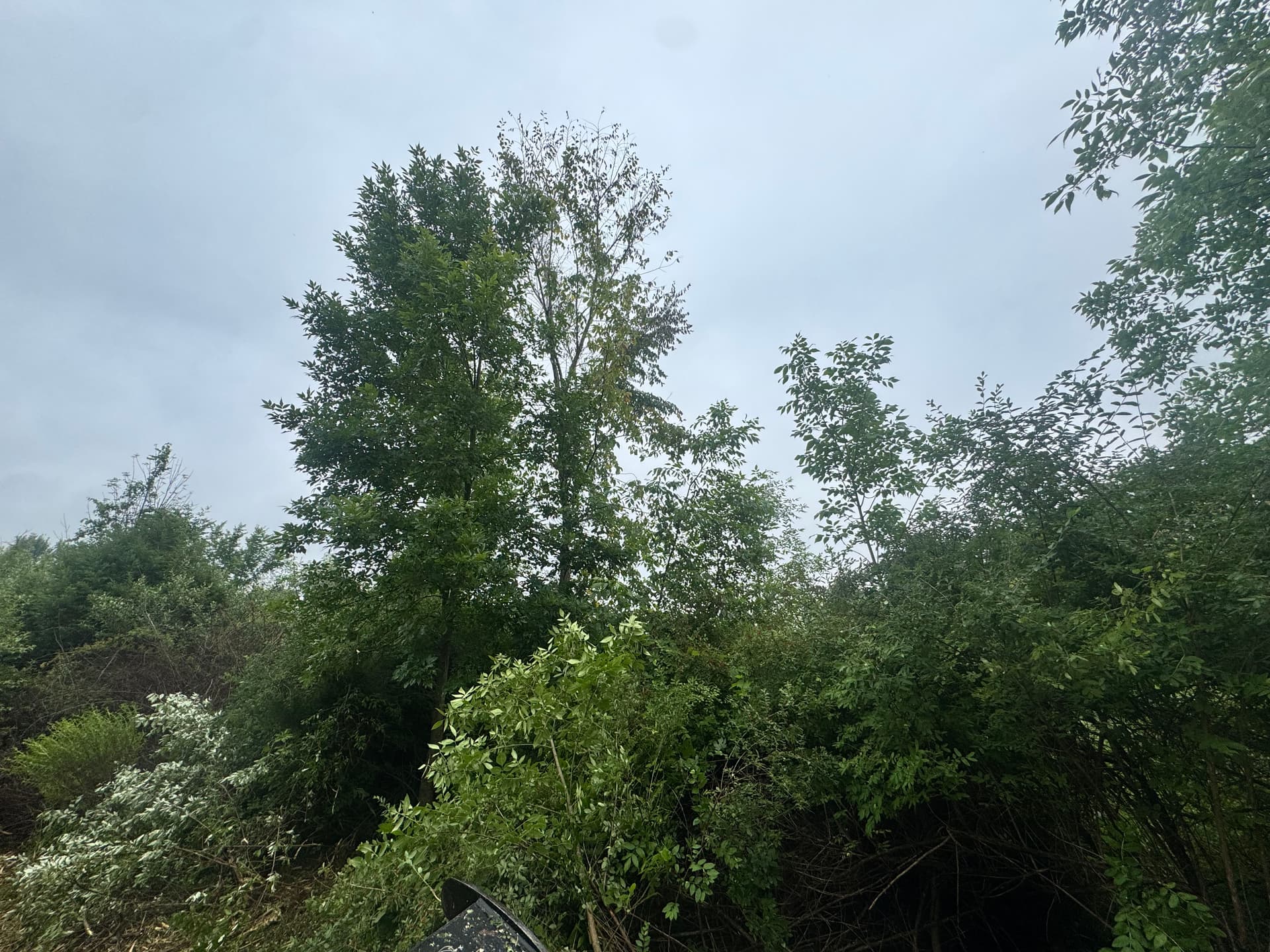
The area we started with was thick with woody brush and invasive growth - the kind of stuff that looks green and lush but does almost nothing for wildlife. Dense tangles of shrubs and saplings were crowding out any real opportunity for quality forage or bedding structure. It wasn't usable ground. Not yet.
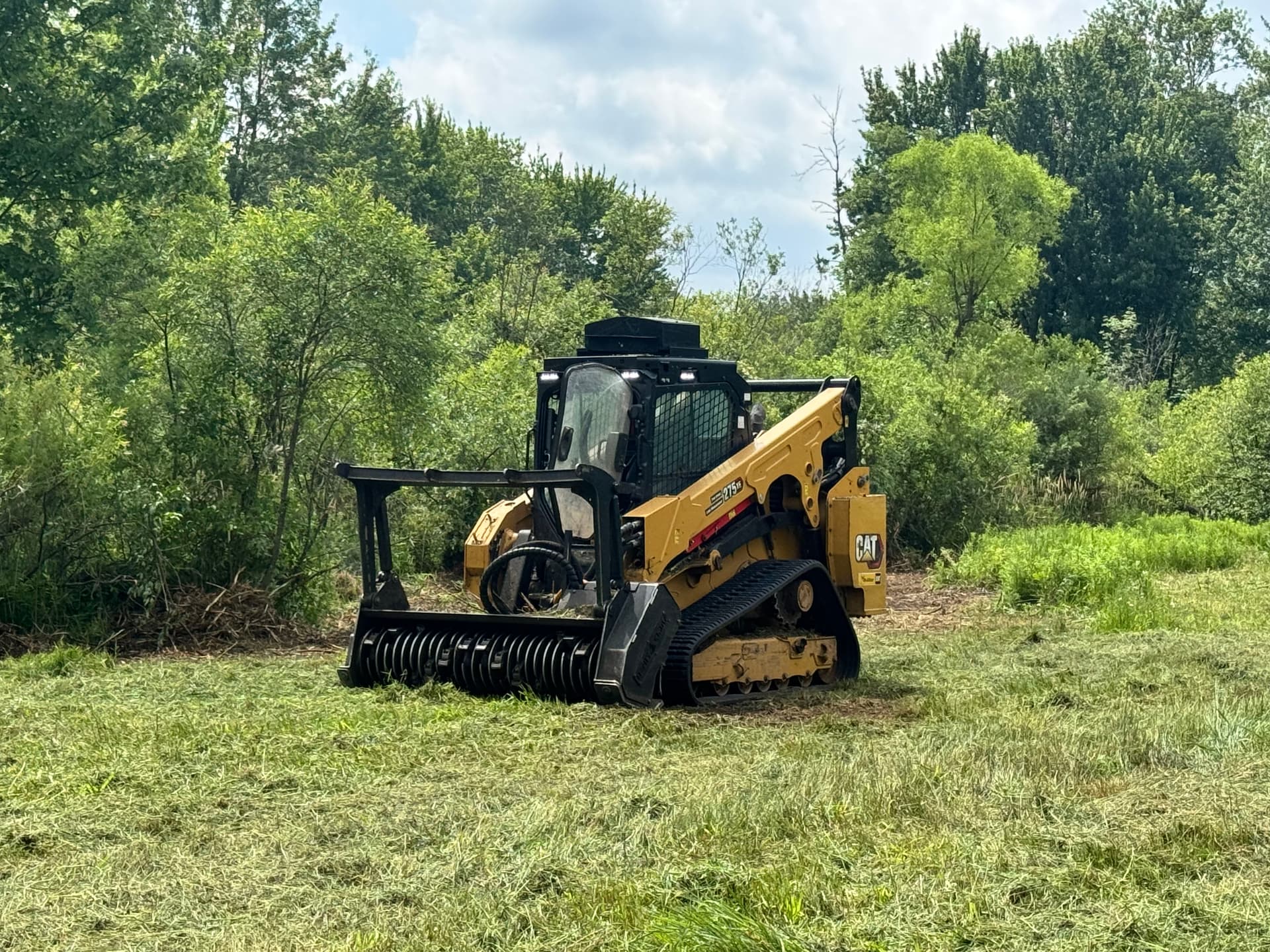
We brought in the CAT 275D with a forestry mulcher attachment and got to work. That machine is built for exactly this kind of job - it chews through heavy brush and turns it into mulch right on the ground, no hauling, no burning, no piles left behind. The mulch feeds back into the soil, which matters a lot when you're planning to put something back in the cleared areas. We worked through the overgrown sections methodically, opening up the ground without disturbing the surrounding tree line that provides cover.
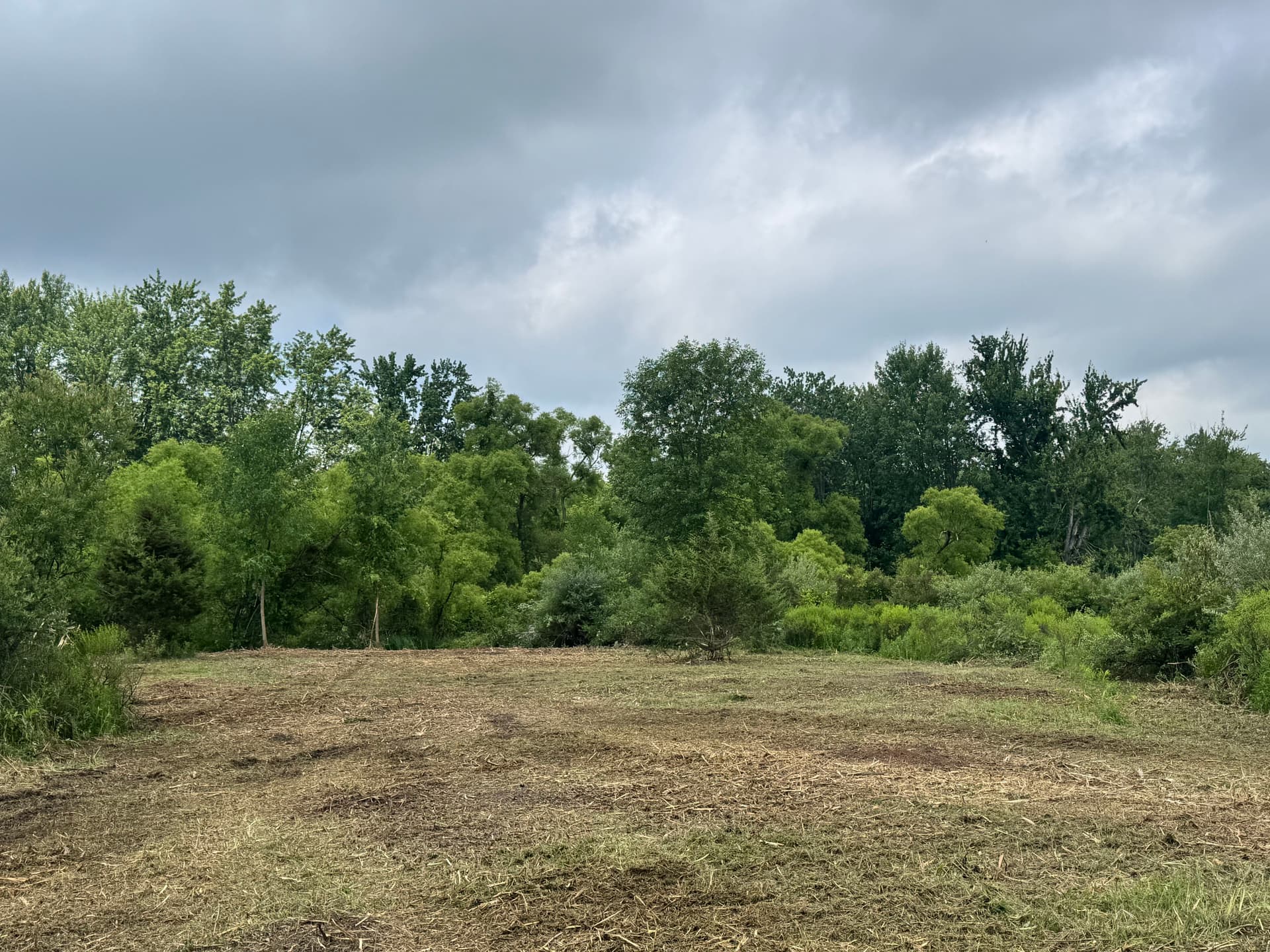
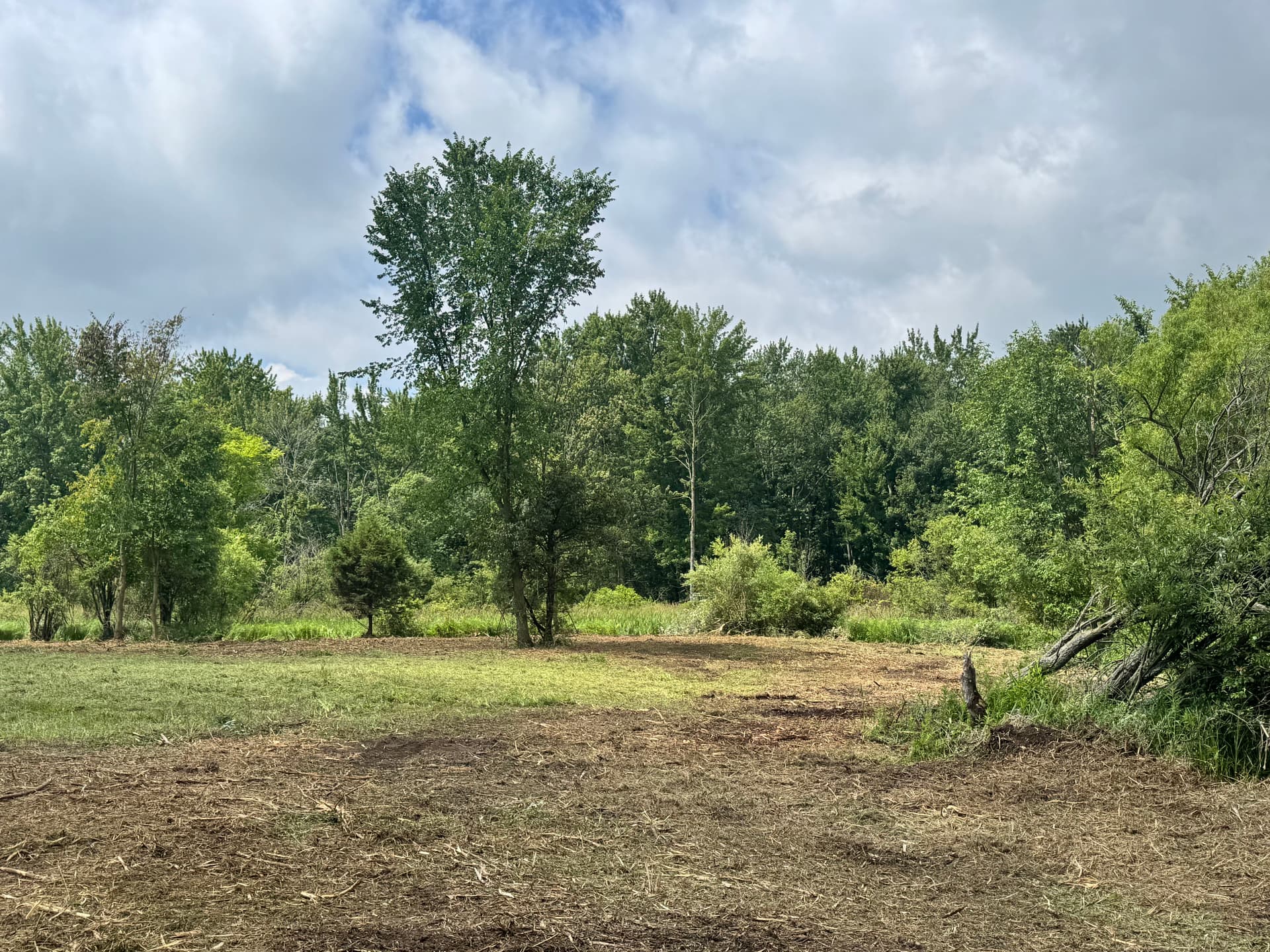
What we ended up with is a clean, open area that's ready for planting. Food plots, native grasses, clover - whatever the landowner decides to put down, the ground is now prepped and ready to receive it. That's the whole point of this kind of stewardship work. You're not just clearing land for the sake of it. You're setting up the conditions for deer and other wildlife to actually use the property the way you want them to.
This is one of those jobs we genuinely enjoy. Habitat development is a long game, and it's satisfying to be part of that process from the ground up - literally. If you've got overgrown acreage that you want to turn into productive wildlife ground, this is the kind of work we do.